
Trust in branded content is decreasing, all while trust in people is increasing. With this said, many organizations seem yet to realize that one of their most powerful trust facilitators and sales tools are sitting in their offices; employees. People trust people, it’s why influencer marketing has become so popular and it’s why you should be investing in employee advocacy too. Employees understand your company values, they’re the experts behind the everyday and if they’re engaged and motivated enough to post about it, you’re clearly doing something right.
As employee advocacy becomes more widespread, the age-old question pops up, “is it adding any tangible value?” and well, yes, it is. Leads developed through employee marketing convert 7x more frequently than other leads. So, how does it all come together?
“Ain’t no Marketing Like Word-of-Mouth Marketing”
It’s always been around, and its popularity has seemingly never diminished. Whether that be speaking to a friend, looking at reviews, or asking for recommendations on social channels. 90% of consumers trust recommendations from people they know, whilst only 33% of people trust brands. Employee advocates have audiences that know and trust them so they see much higher engagement rates compared to brand handles. Employee advocacy is the perfect opportunity to get your branded content out there and really influence the buyer journey through people other than marketing, who for the most part, are considered the corporate mouthpiece. Even before employee advocacy was named and recognized, it did exist. If your workforce understands and believes in what you do, they’ll talk about it. Having a formal employee advocacy program just adds some structure to that, whilst also helping your employees succeed in their efforts and gain recognition.
Introduction of the Employee-led Buyer Journey
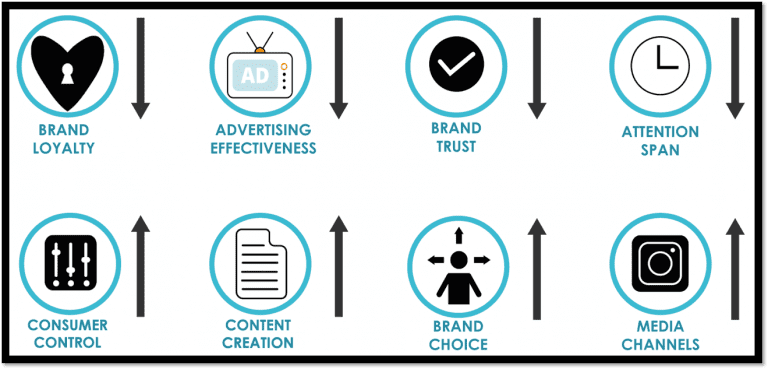
It’s now more important than ever to focus more time and attention on the earlier stages of the buyer journey so potential customers aren’t lost further down the line. With more touch points before and after a purchase (and most markets being quite saturated) brands need to make sure they stand out from the crowd. Having advocates along the way only increases the strength of brands, which for the most part is diminishing. Power within the market place has shifted away from brands and moved towards consumers. Both in terms of controlling the buyer journey and content, consumers now hold more power. Social media has led to the democratization of content and information, so while tactics such as advertising remain great for initial awareness, they’re no longer enough to get a customer to actually buy – they’re now looking to people and the internet for reviews and other experiences before committing.
Employees are experts in their relative fields, and with 85% of customers seeking out trusted, expert content when considering a purchase, they’re likely to ask advice from people who work within whichever industry they’re after. By influencing the buyer journey and turning it into an employee-led buyer journey, there is trust and familiarity from the beginning, making it less likely for your brand to be forgotten about or replaced by other options.
Influencer Marketing & Employee Advocacy as One
Although influencer marketing and employee advocacy tend to be approached and operationalized as two separate marketing tactics, if we actually integrate the two together, we can see much more value. What is all boils down to is brands’ lack of influence and peoples’ increasing influence – influencers and employees are both people. The beauty of integrating influencer marketing with employee advocacy is that it makes it much easier to scale. If it is just your marketing team building relationships with your industry influencers, you’re limited by how big your marketing team is. At the end of the day, building genuine relationships is a timely thing. On top of that, while your marketing team are experts at marketing, they may not be experts at what you’re selling, whereas the employees are. So connecting your employees with influencers means that you’re able build more relationships, much more effectively.
Each of your employees is an expert and passionate about something within their role. If you can effectively map and understand your employees’ expertise and passions, you can connect them with influencers specializing in that area (ie. marketers with marketing influencers) then your employees can start engaging and sharing content with them, building external relationships and ultimately generating organic influencer engagement. From this we’ll see our employees grow their audiences and in some cases become ‘influencers’ in their own right, while simultaneously seeing influencers transition into brand advocates. This will boost brand awareness and credibility; help you stay on top of trends to optimize your content strategy; increase content amplification and most importantly, increase sales and shorten sales cycles.
Social Sharing & Dark Social
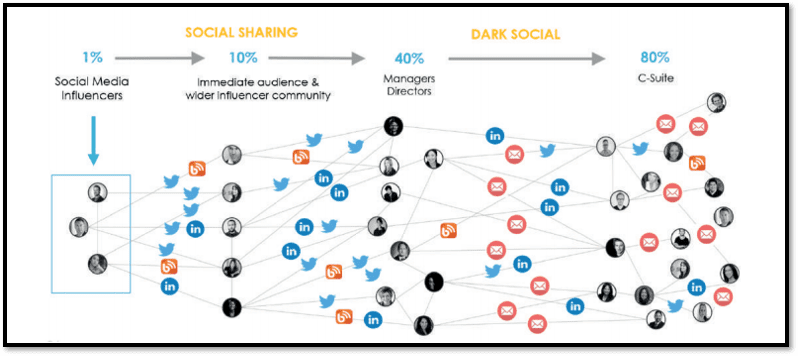
Dark social sounds a lot eerier than it is. What it refers to is sharing that can’t be tracked, so email, face-to-face, direct messenger or Word-of-Mouth for example. Many B2B marketers looking to target key decision makers can be sceptical about investing in influencer marketing and social media as the key decision makers aren’t on social media. But just because they aren’t on social media, it doesn’t mean they’re not being influenced by social media content. What the model below shows is how these key decision makers are being influenced by employee-influencer content.
So breaking the model down, we have the key influencers (the 1%) that are leading most of the conversations and having the most influence over the rest of the marketplace (80%). These influencers are then engaging and sharing content with their wider influencer networks. It is these influencers that are influencing mid-level management, who are in-turn sharing influencer content with the decision makers through dark social. Employees creating and sharing their own content and building relationships with the 1% means that you can achieve maximum influence over the marketplace, filtering through to the key decision makers.
Social Sharing/Dark Social
Overall…
Yes, employee advocacy can help drive sales in many different ways, in fact companies with high employee engagement levels have 3.9 times the earnings per share when compared to those in the same industry with lower engagement levels. When all employees can work in a connected way, it keeps the brand front-of-mind and minimises drop-offs. This is just a snippet of a much bigger picture though, if you’re interested in getting a more in-depth outlook, be sure to check out our Employee Advocacy eBook.
What do the experts have to say?
 “Employees have a unique perspective on company values and culture, and the ability to speak with authenticity that can only be earned by their tenure with the brand.”
Eric Fuessel, Senior Account Executive, EveryoneSocial
 “Employee advocates are the new authentic marketing channel for brands. By sharing helpful content that engages communities, employee advocates encourage others to share and amplify their brand’s message, leading to increased social chatter, web traffic, and sales.”
Cheryl Burgess, CEO, Blue Focus Marketing
 “Brands have been using digital and social media to distance themselves from the consumer, asking them to sign up to email lists and to do things that are very programmatic and distant from the consumer. It is very hard to build trust in that way of doing business. But, brands can now use digital if they empower employees and influencers correctly to shrink that distance back and regain that trust that has been lost over the last 8 or 9 years.”
Brian Fanzo, Founder & CEO, iSocialFanz
 “Real influence is the ability to affect or change behavior. It is not popularity (like much of influencer advertising). Employees have this ability to influence, so when they are harnessed in their thousands it drives huge levels of authentic awareness and engagement.”
Caroline Jory, Engagement Director, Qubist